What Is A Fast Processor Speed For A Computer

Ever felt like your computer's the slowest kid on the block? Like it's stuck in the '90s while you're trying to stream the latest Netflix series? Well, friend, it might be tim...

Ever felt like your computer's the slowest kid on the block? Like it's stuck in the '90s while you're trying to stream the latest Netflix series? Well, friend, it might be time to talk processor speeds. Buckle up, we're going on a whirlwind tour of GHz, MHz, and why your computer's brain matters.
What's a Processor, Anyway?
Imagine your computer's processor as the brain of the operation. It's the little guy (or gal) that crunches numbers, runs programs, and makes sure everything's running smoothly. It's like the conductor of an orchestra, making sure every instrument plays its part at the right time.
Now, you might be thinking, "But I'm no Einstein, how do I know if my processor's any good?" Fear not, dear reader, we're here to demystify the world of processor speeds.
Must Read
Speed: The Name of the Game
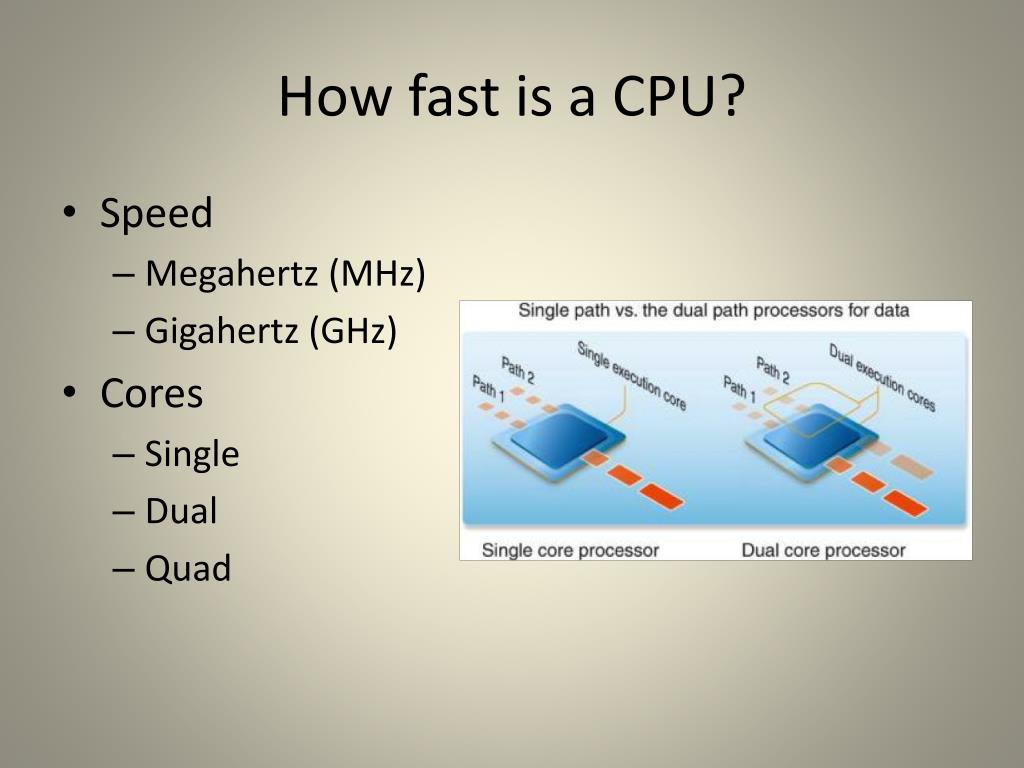
When we talk about processor speed, we're usually referring to two things: GHz (gigahertz) and MHz (megahertz). These are units of measurement for how many cycles a processor can perform per second. Think of it like a heartbeat - the faster the beat, the more work gets done.
Here's a fun fact: The first computer processor, Intel's 4004, had a speed of just 1.08 MHz. That's like a snail's pace in today's world! Today's high-end processors can reach speeds of over 5 GHz. That's like going from a horse carriage to a Formula 1 race car!
 PPT - Computer Hardware & Processing Inside the Box PowerPoint
So, What's Fast?
Alright, let's get down to business. What's a fast processor speed for a computer today? Well, it depends on what you're using your computer for.
For everyday tasks like browsing the web, checking emails, or streaming movies, a processor speed of around 2.5 GHz should do the trick. That's like having a reliable sedan that gets you from A to B without any fuss.
But if you're into gaming, video editing, or running complex software, you'll want something faster. We're talking 3.5 GHz and above. That's like trading in your sedan for a sports car - it's got the power to handle those twists and turns with ease.
 Two nice days up. « In Search of the Perfect Investment
Practical Tips: How to Check Your Processor Speed
Curious about your computer's processor speed? Here's how you can check:
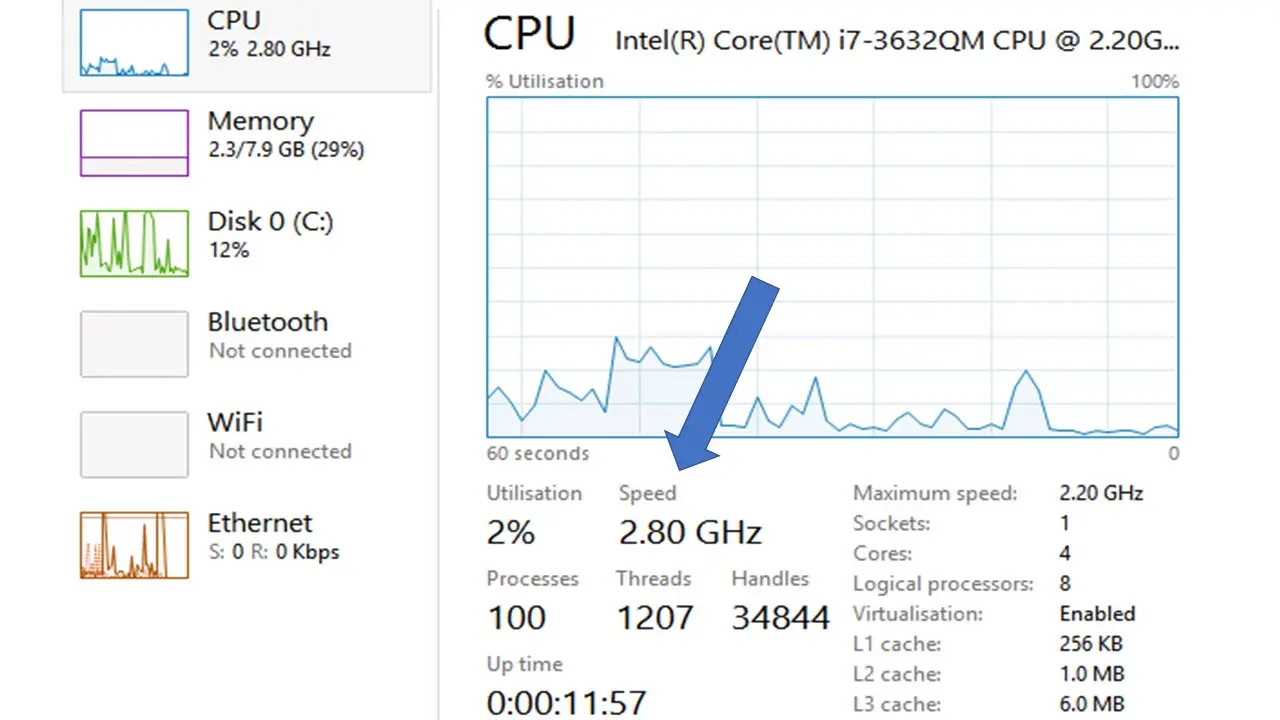
- On a Windows computer, right-click on the Start button and select "Task Manager". In the Performance tab, you'll see your processor speed under "CPU".
- On a Mac, click on the Apple menu and select "About This Mac". Then click on "System Report..." and look for "CPU" under "Hardware".
Cultural References: When Computers Were Slower
Remember the days of dial-up internet? When you'd have to wait an eternity for a webpage to load, and God forbid someone picked up the phone mid-download? Those were the days of slow processors. It's like comparing a horse race to a Formula 1 race - the difference is astounding!
 eComputerTips
And let's not forget the iconic "Loading..." screens of yesteryear. Remember spending minutes watching that little hourglass spin? Those days are long gone, thanks to faster processor speeds.
Reflection: The Speed of Life
Processor speeds might seem like a mundane topic, but they're a testament to human progress. We've gone from computers that could barely do basic math to ones that can process trillions of operations per second. It's a reminder that life, like technology, is always moving forward.
So, the next time you're waiting for a webpage to load, or a game to start, remember that you're witnessing the fruits of human ingenuity. And who knows? Maybe one day, we'll look back at today's processor speeds and marvel at how slow they were. Until then, let's enjoy the ride.

