How Many Unique Values Can Be Represented By 4 Bits

Ever played that game where you try to guess how many candies are in a jar? You know, the one where you're convinced there's no way it could be more than 50, but then the guy...
Ever played that game where you try to guess how many candies are in a jar? You know, the one where you're convinced there's no way it could be more than 50, but then the guy behind the counter pulls out a giant scoop and proves you wrong? Well, today we're playing a similar game, but with bits instead of candies. Buckle up, folks, 'cause we're diving into the world of binary, where things get a teensy bit... well, binary.
Bits: The Unsung Heroes of Modern Life
You might be thinking, "Bits? Aren't those just those tiny things that make my computer work?" And you'd be right! But bits are so much more than that. They're the unsung heroes of our modern lives, working tirelessly behind the scenes to bring you your cat videos, your online shopping sprees, and your endless streams of memes. Each bit is like a tiny, tiny light switch - it can be either on or off, 1 or 0, yes or no.
So, What's a Bit Got to Do with Anything?
Well, imagine you're at a party, and you want to tell your friend how many people are there. You could say, "There are 10 people here," or "There are 100 people here," or even "There are 1,000 people here." But what if you could only use one word? That's where bits come in. Each bit is like a word in a special language that can only say "one" or "none."
Must Read
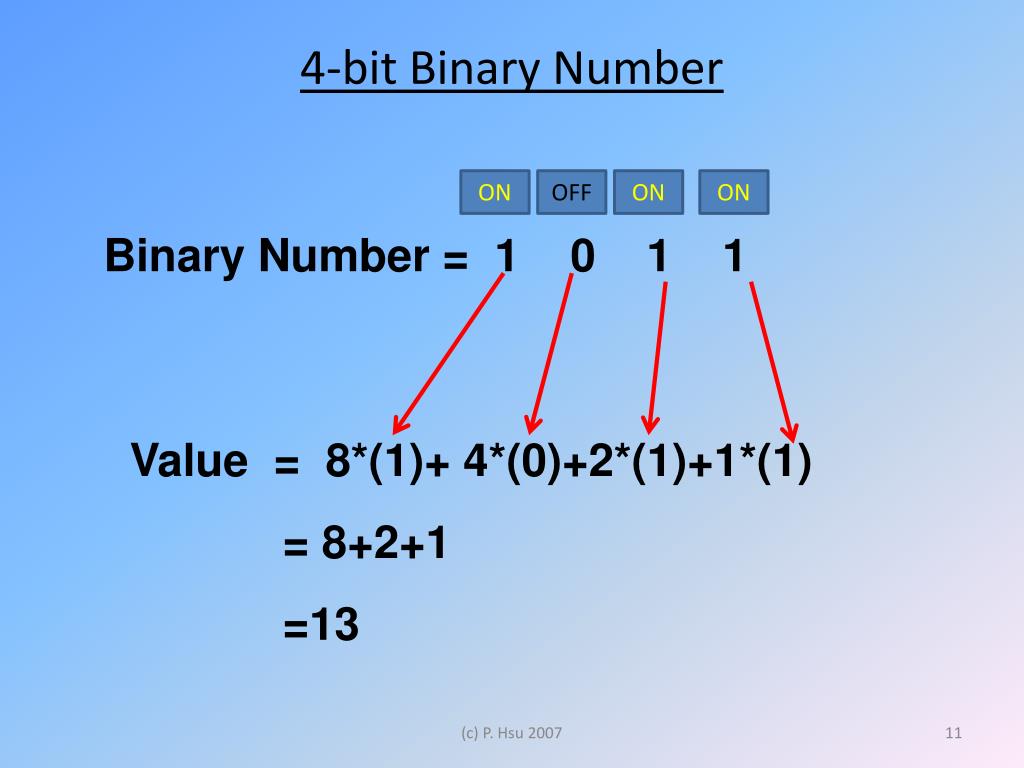
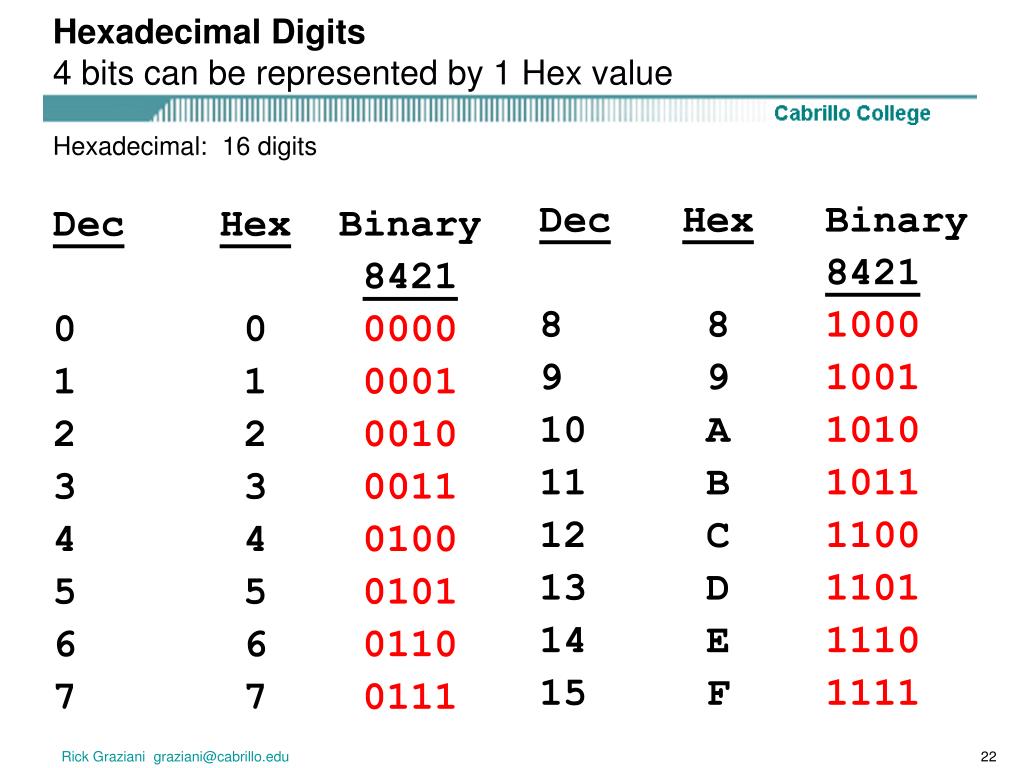
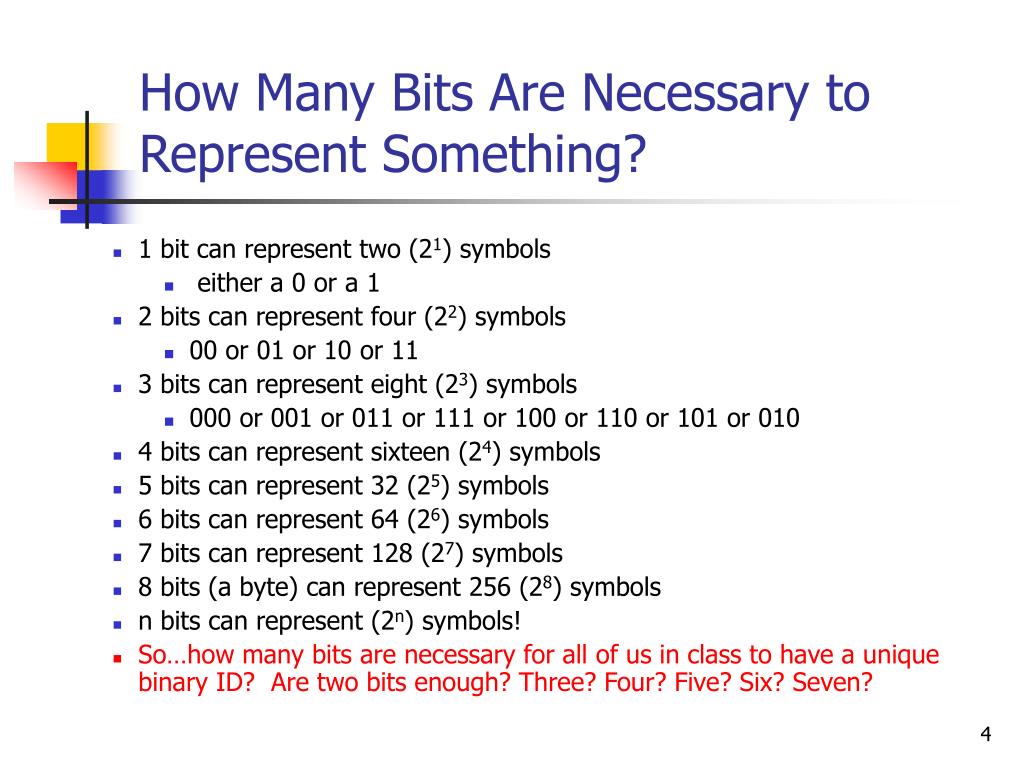
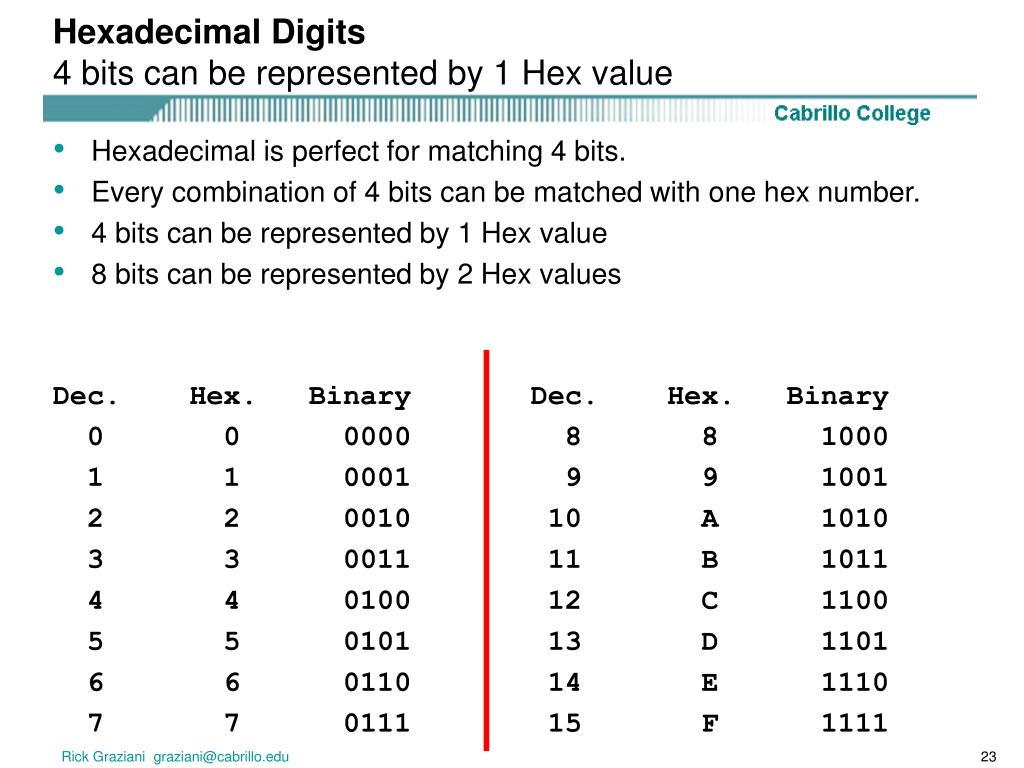
Now, let's say you want to tell your friend there are 15 people at the party using this special language. You'd need 4 bits to do it. Why? Because 2 bits can only tell you there are 4 people (00, 01, 10, 11), 3 bits can tell you there are 8 (000, 001, 010, 011, 100, 101, 110, 111), and 4 bits can tell you there are 16 (0000, 0001, 0010, 0011, 0100, 0101, 0110, 0111, 1000, 1001, 1010, 1011, 1100, 1101, 1110, 1111). See where we're going with this?
Four Bits: The Magic Number
So, how many unique values can be represented by 4 bits? The answer is 16. That's right, folks! With just 4 bits, you can represent 16 different values. It's like having a tiny, tiny magic box that can hold 16 different things. It's not much, but it's enough to get the job done, especially when you've got lots of these magic boxes working together.
 PPT - SIMS-201 PowerPoint Presentation, free download - ID:2732856
Think of it like a combination lock. A 4-digit combination lock can have 10,000 different combinations (0000 to 9999). Each digit is like a bit, and each number it can be is like a value. So, a 4-bit system can have 16 different values, just like a 1-digit lock can have 10 different combinations (0 to 9).
But Why Stop at 4?
Well, you could keep adding bits, of course. 5 bits can represent 32 values, 6 bits can represent 64, and so on. But remember, each bit you add doubles the number of values you can represent. So, while 4 bits might seem like a lot, 5 bits is actually twice as many, and 6 bits is four times as many!
 PPT - Hexadecimal Number System PowerPoint Presentation, free download
And that, my friends, is the magic of binary. It's like having a secret stash of candy jars, where each jar can hold twice as many candies as the last. It might not seem like much at first, but before you know it, you've got a whole room full of candy, and you're the happiest kid on the block.
So, the next time you're marveling at your computer's ability to do, well, anything, remember the humble bit. It might be tiny, but it's the building block of our digital world. And who knows? Maybe next time you're playing that candy jar game, you'll think of bits and smile.